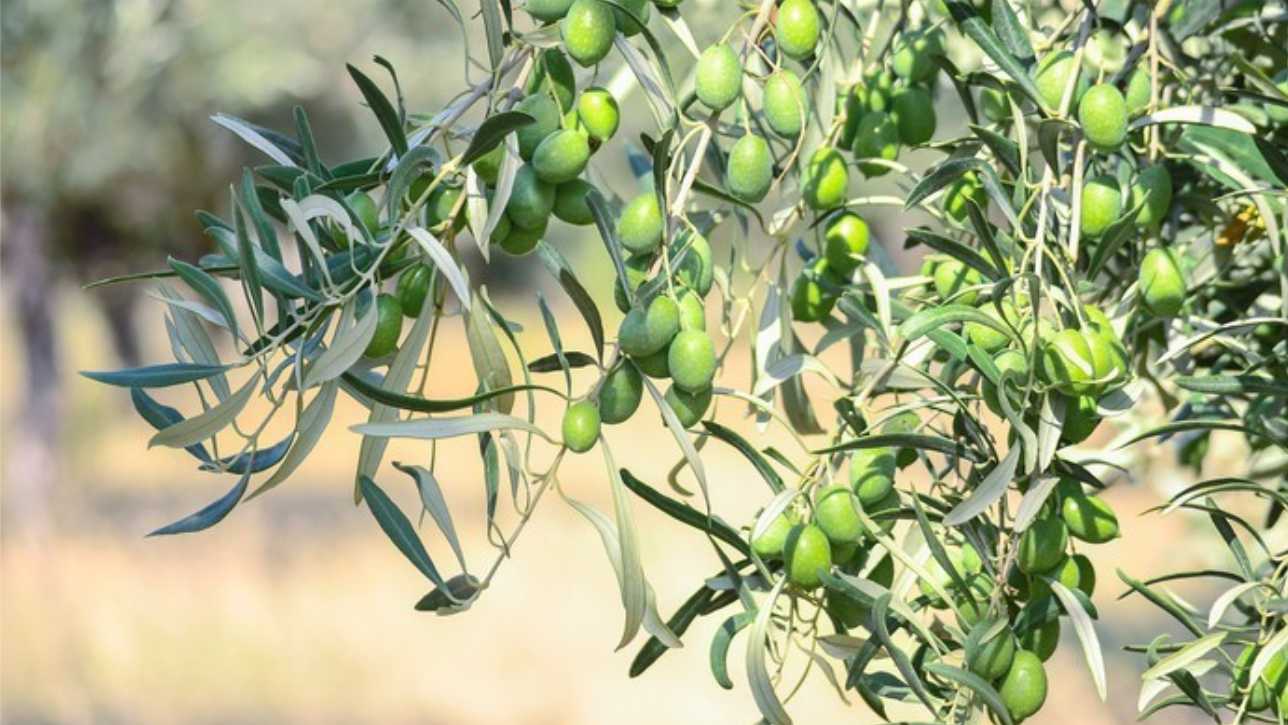
How Many Olive Trees Per Acre A Complete 2025 Investor Guide for Optimal Yield and ROI
Understanding how many olive trees can be planted per acre is one of the most important questions for anyone investing in olive farming. Whether you are planning to buy an olive farm for sale in Turkey, start an agricultural project, or calculate future olive oil production, tree density per acre will directly affect your yield, profitability and overall return on investment.
In this complete 2025 guide, we explain optimal spacing, traditional vs high density orchard layouts, production expectations, olive oil yield per acre and everything investors must know before planting.
Why Tree Density Matters in Olive Farming
The number of olive trees per acre determines:
production volume
harvesting costs
tree health and lifespan
irrigation efficiency
overall profitability
Too few trees reduce your total production per acre.
Too many trees reduce sunlight exposure which lowers yield and increases disease risk.
The key is achieving the optimal spacing based on your farming model.
How Many Olive Trees Can Be Planted Per Acre
The number of trees per acre depends on the planting system.
Here are the three main systems used worldwide:
1. Traditional Olive Orchard Spacing
(40–70 trees per acre)
Traditional orchards are the classic Mediterranean style with wide spacing and large trees.
Typical spacing:
20 ft x 20 ft
25 ft x 25 ft
Tree density:
40–70 trees per acre
Advantages:
long tree lifespan
high quality fruit
lower disease risk
excellent soil aeration
Disadvantages:
lower yield per acre
more land required
Traditional orchards are still preferred by organic farms and premium olive oil producers.
2. High Density Olive Farming (HD)
(150–220 trees per acre)
This is the modern commercial production model used widely in Turkey, Spain, Italy and California.
Typical spacing:
12 ft x 18 ft
13 ft x 20 ft
Tree density:
150–220 trees per acre
Advantages:
2–3x more yield per acre compared to traditional
mechanical harvesting possible
faster ROI
earlier production
Disadvantages:
higher initial planting cost
requires irrigation
Most profitable farms in Turkey use this high density method due to stronger average ROI.
3. Super High Density Farming (SHD / Hedgerow System)
(300–360 trees per acre)
This is the most intensive modern system and is used for large scale olive oil production.
Typical spacing:
5 ft x 13 ft
6 ft x 12 ft
Tree density:
300–360 trees per acre
Advantages:
very high yield per acre
full mechanical harvesting
labour cost dramatically reduced
Disadvantages:
higher maintenance
not suitable for all olive varieties
requires perfect irrigation and management
SHD orchards offer the highest quantity but require expert management.
Which Spacing Is Best for Investors
If the goal is high profitability, then High Density (HD) spacing usually offers the best balance:
150–220 trees per acre
-
high annual yield
-
good tree health
-
long term sustainability
-
strong ROI
-
works with many Turkish olive varieties
Agrolidya farms typically use this model because it delivers the best performance for clean, high quality extra virgin olive oil production.
Olive Orchard Yield per Acre
Yield depends on:
tree density
tree variety
irrigation
climate
soil structure
age of the orchard
Below is a general guideline:
Traditional Orchards Yield
200 to 400 kg olives per acre
Equivalent to:
25 to 50 liters of olive oil
High Density Orchards Yield
2,000 to 4,000 kg olives per acre
Equivalent to:
250 to 500 liters of olive oil
Super High Density Orchards Yield
4,000 to 7,000 kg olives per acre
Equivalent to:
600 to 900 liters of olive oil
How Tree Density Affects Profitability
More trees generally mean more olives, but profitability is about balance, not maximum density.
Profitability increases when:
tree density matches soil type
sunlight distribution is optimal
mechanical harvesting is possible
irrigation is efficient
the farm uses modern management
For investors, HD spacing gives the highest profit per acre without the complexity of SHD.
Olive Oil Production per Acre
Here is the average olive oil output per acre based on density:
Traditional
25–50 liters per acre
High Density
250–500 liters per acre
Super High Density
600–900 liters per acre
The huge difference in production explains why modern investors choose high density orchards.
How Many Olive Trees Should You Plant Per Acre
If you want the best ROI:
Ideal Investor Spacing:
150–200 olive trees per acre
This ratio gives:
excellent yield
stable long term production
mechanical harvest option
lower management cost per tree
balanced tree health
Agrolidya investment farms follow similar optimised layouts for maximum efficiency.
Expected Profit per Acre (General Estimate)
These numbers change by region but global averages are:
Traditional Olive Farming Profit
300 to 800 USD per acre annually
High Density Olive Farming Profit
1,500 to 3,500 USD per acre annually
Super High Density Farming Profit
3,500 to 6,000 USD per acre annually
(only for expertly managed farms)
High density delivers the strongest balance of profit, cost and sustainability.
Factors That Change the Number of Trees per Acre
soil quality
climate
irrigation availability
olive variety
wind exposure
mechanical harvesting
slope of the land
This is why professional evaluation is important before planting or buying farmland.
Agrolidya evaluates all of these before offering farmland to investors.
Which Olive Varieties Work Best for High Density
Some varieties adapt better to modern spacing systems:
Arbequina
Koroneiki
Gemlik
Domat
Arbosana
Memecik
Turkey’s native varieties like Gemlik and Memecik perform extremely well in HD orchards.
Should You Choose High Density or Traditional
If your goal is:
Maximum long-term income:
choose High Density (HD)
Premium quality boutique production:
choose Traditional
Large scale industrial production:
choose Super High Density (SHD)
For 90 percent of investors, HD is the most profitable and sustainable choice.
Conclusion: How Many Olive Trees Per Acre Is Best
For most investors, the sweet spot is:
???? 150 to 200 olive trees per acre
High Density Orchard Model
It offers:
high annual yield
stable olive oil production
excellent ROI
long orchard lifespan
efficient management
lower operational cost
Whether you are evaluating olive farmland investment, planning to plant a new orchard, or buying an olive farm in Turkey, understanding tree density is key to maximising profitability.
If you want a professional evaluation of farmland or need help establishing a high performing olive orchard, Agrolidya provides complete investment models and fully managed farming solutions.
how many olive trees per acre, olive trees per acre, olive tree spacing per acre, olive orchard spacing, olive tree density, how many olive trees fit in one acre, olive orchard per acre yield, olive farm yield per acre, olive tree planting density, olive orchard layout, best spacing for olive trees, olive tree yield, olive oil yield per acre, olive farmland investment, olive farming profitability, olive orchard management, olive production per acre, best planting distance for olive trees, how profitable is olive farming per acre, olive tree profit per acre, expected olive oil production per acre, how many olive trees should I plant per acre, high density olive farming, super high density olive orchard spacing, traditional olive orchard spacing, olive grove, olive orchard size, olive cultivation, olive farming guide, olive tree management, olive oil production rates, tree spacing calculator