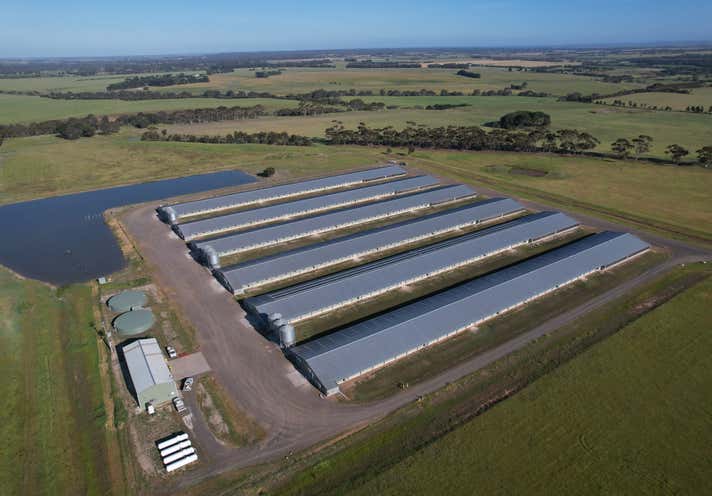
How to Start a Poultry Farming Business in the UK
The poultry farming industry in the UK continues to grow as demand for fresh chicken and egg products increases every year. Rising food prices, interest in local production, and concerns about food security are encouraging more investors and entrepreneurs to explore poultry farming as a long-term business opportunity.
Whether you are planning a small free-range farm or a large-scale commercial poultry operation, building a successful poultry business requires proper planning, legal compliance, and the right infrastructure.
Why Poultry Farming is Growing in the UK
Poultry remains one of the most consumed protein sources in the United Kingdom. Chicken meat and eggs are affordable, widely consumed, and constantly in demand across supermarkets, restaurants, hotels, and food distributors.
Modern poultry farming is no longer limited to traditional village-style production. Today’s farms use advanced ventilation systems, automated feeding equipment, climate control technology, and data-driven management systems to maximize efficiency and animal welfare.
For investors, poultry farming can offer:
- Consistent market demand
- Scalable business models
- Multiple revenue streams
- Opportunities for export and wholesale supply
- Long-term agricultural asset value
Choosing the Right Poultry Farming Model
Before starting, it is important to determine which poultry sector best fits your budget and business goals.
Broiler Chicken Farming
Broiler farming focuses on raising chickens for meat production. These operations usually generate faster returns because chickens reach market weight within a relatively short production cycle.
Broiler farms typically require:
- Climate-controlled poultry houses
- Feeding and watering systems
- Biosecurity infrastructure
- Reliable supply chain partnerships
Egg Production Farms
Layer farms are designed for egg production and require a different operational structure. These farms often focus on long-term production capacity and stable daily output.
Egg farms may operate as:
- Cage-free systems
- Free-range farms
- Organic egg production facilities
- Conventional layer operations
Free-Range and Organic Poultry
Consumer demand for organic and free-range products continues to rise across the UK market. While these systems may require larger land areas and stricter welfare standards, they can often achieve higher retail prices and stronger brand positioning.
Understanding Legal Requirements
Starting a poultry farm in the UK involves several legal and regulatory responsibilities. Farm owners must ensure compliance with environmental, agricultural, and animal welfare standards.
Depending on the size of the operation, approvals may include:
- Local planning permissions
- Environmental permits
- Animal welfare compliance
- Waste management systems
- Biosecurity procedures
- Farm registration requirements
Working with experienced agricultural consultants and legal advisors can help simplify the setup process and avoid costly delays.
Selecting the Right Location
Location plays a major role in the success of a poultry business. The ideal farm location should provide:
- Easy transport access
- Reliable electricity and water supply
- Sufficient distance from residential areas
- Proper drainage and land conditions
- Expansion potential for future growth
Many investors also prefer regions with strong agricultural infrastructure and easier access to feed suppliers and processing facilities.
Poultry Housing and Equipment
Modern poultry farming depends heavily on efficient infrastructure. A professionally designed poultry house improves bird health, productivity, and operational efficiency.
Key systems usually include:
- Automated feeding lines
- Ventilation and cooling systems
- Heating systems
- Water distribution systems
- Lighting automation
- Waste collection solutions
Investing in quality equipment from the beginning can significantly reduce long-term maintenance costs and improve production performance.
Feed and Nutrition Management
Feed is one of the largest operating expenses in poultry farming. Proper nutrition directly affects growth rates, egg production, and overall flock health.
Successful poultry farms usually work with:
- Professional feed suppliers
- Nutrition specialists
- Veterinary consultants
- Feed storage management systems
Maintaining consistent feed quality is essential for achieving stable production results.
Biosecurity and Animal Health
Disease prevention is critical in commercial poultry farming. Strong biosecurity measures help protect both birds and business operations.
Essential biosecurity practices include:
- Controlled farm access
- Regular disinfection procedures
- Vaccination programs
- Staff hygiene protocols
- Isolation procedures for new birds
Farm owners should also establish partnerships with experienced poultry veterinarians for regular health monitoring.
Financial Planning and Investment
The cost of starting a poultry farm in the UK can vary significantly depending on the scale of the project, land costs, equipment quality, and production type.
Initial investment areas may include:
- Land acquisition or leasing
- Poultry house construction
- Equipment installation
- Livestock procurement
- Licensing and permits
- Staffing and operational setup
Creating a detailed business plan and cash flow projection is essential before launching operations.
Building a Sustainable Poultry Business
The future of poultry farming in the UK is increasingly focused on sustainability, efficiency, and traceable food production.
Modern farms are investing in:
- Renewable energy systems
- Sustainable waste management
- Organic fertilizer production
- Water-saving technologies
- Smart farming systems
Businesses that combine efficiency with strong animal welfare standards are likely to remain competitive in the evolving agricultural market.
Final Thoughts
Poultry farming can become a highly profitable long-term agricultural investment when planned correctly. Success depends on choosing the right production model, investing in proper infrastructure, maintaining strong biosecurity standards, and understanding market demand.
As food production continues to grow in importance globally, the UK poultry sector offers significant opportunities for both local entrepreneurs and international investors looking to enter the agricultural industry.