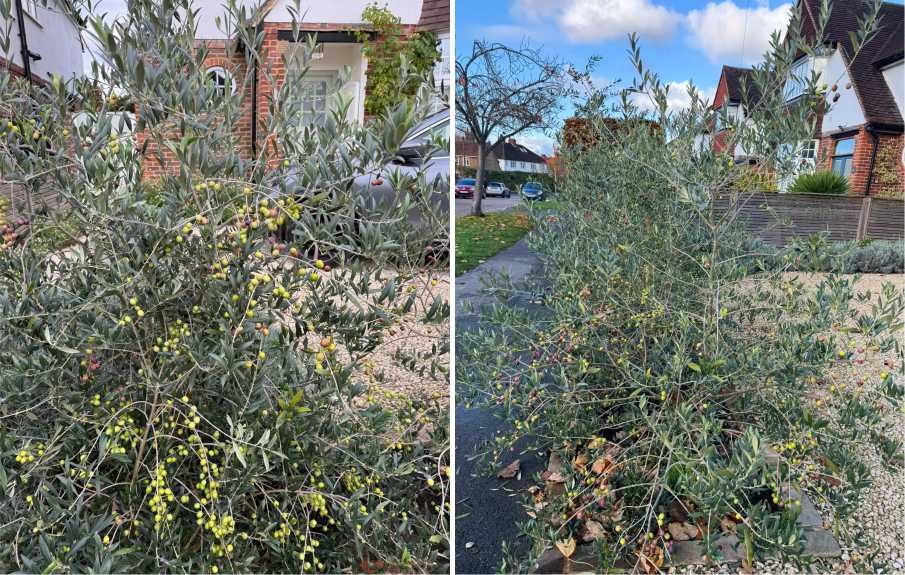
This morning, as the soft November light filtered through the garden in Surrey, I noticed something I had never seen before, clusters of small, green olives glinting from the branches of our trees. Not in Spain or Italy, but here, in southern England. It felt like a quiet moment in history a sign that something is shifting beneath the familiar rhythm of British seasons.
Neighbours have been whispering the same surprise. Some even sent photos of their gardens showing the same discovery: olive trees, planted years ago mostly for decoration, finally bearing fruit. For the first time, Surrey gardens are producing olives that could actually be harvested. It sounds small, but for those who understand agriculture, it’s an extraordinary signal.
Over the past few years, southern England has seen steadily warmer summers and milder winters. What once felt like rare heatwaves have started to form a pattern. Meteorologists have confirmed that average temperatures in counties like Surrey, Kent, and Sussex are now comparable to northern Spain in the late 1980s. In other words — southern England is slowly becoming Mediterranean.
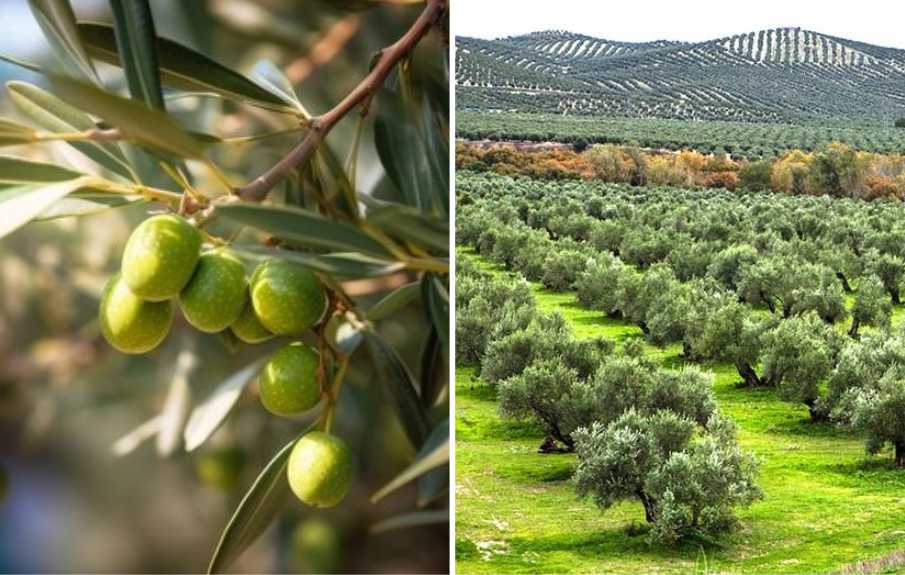
For centuries, the UK’s agriculture has relied on rain-fed grasslands and cool-season crops. But as the climate tilts, we are watching the line of viable cultivation move north. Grapevines are already thriving in Kent. Fig trees now grow in sheltered corners of Oxfordshire. And now, olive trees , the ultimate symbol of the Mediterranean, are finding their place in the English countryside.
From an investor’s perspective, this is not just an agricultural curiosity. It’s the beginning of a structural change in the value of farmland. Climate-resilient crops such as olives, almonds, and even citrus varieties could become part of Britain’s agricultural future. Farmland once considered suitable only for grazing may soon be capable of producing high-value crops that were once unthinkable here.
At InvestAgrolidya, we see this as the early stage of a long transformation. The UK’s southern belt — from Cornwall to Kent — may evolve into a new agricultural corridor where traditional and Mediterranean crops coexist. For investors looking beyond short-term returns, this presents a rare window of opportunity: to enter the market before it fully redefines itself.
Olive cultivation in England will not be without challenges. Soil types, humidity levels, and frost risks still require adaptation and innovation. But that is exactly what creates opportunity — innovation in cultivation methods, small-scale micro-roasteries and olive presses, agritourism projects, and local branding that connects sustainability with luxury. When a crop becomes both viable and aspirational, investment tends to follow naturally.
The next few years will be decisive. If temperatures continue on their current trajectory, by the early 2030s we may see commercial olive production trials in the UK — small at first, but enough to reshape how we think about British agriculture. Government support for climate adaptation and green farming will also play a key role in accelerating this change.
As I stood beneath that olive tree this morning, I couldn’t help thinking about what it represents: resilience, patience, and renewal. Olive trees don’t rush. They take years to establish, years more to bear fruit, and yet once they do, they can live for centuries. Maybe the same will be true for this new chapter of farming in England — slow to start, but built to last.
For now, those few olives hanging in Surrey gardens are more than just a curiosity. They’re a quiet signal that agriculture in the UK is entering a new climate, a new economy, and perhaps, a new identity.