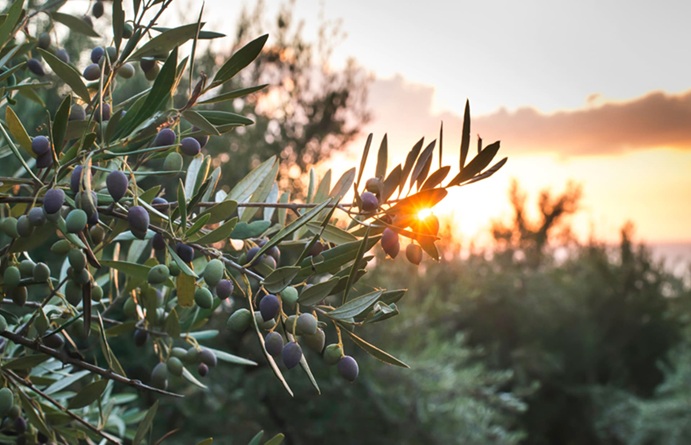
In recent years, agricultural investments have gained significant attention from investors seeking sustainable and profitable opportunities. Among these, olive orchard investment stands out as a particularly attractive option, offering not only financial returns but also contributing to environmental sustainability and cultural heritage. If you’re considering diversifying your portfolio with agriculture, here’s why investing in olive orchards could be a smart move.
Why Olive Orchards?
Olive trees are renowned for their resilience, longevity, and ability to thrive in Mediterranean climates. They require relatively low maintenance compared to other crops and can produce fruit for decades once mature. This makes olive orchards a long-term asset that can provide stable income over time.
Moreover, the global demand for olives and olive oil continues to rise, driven by increasing awareness of their health benefits and culinary versatility. Olive oil, especially extra virgin varieties, is celebrated worldwide for its antioxidant properties and heart-healthy fats, fueling a growing market in both developed and emerging countries.
Financial Benefits of Olive Orchard Investment
Investing in an olive orchard combines capital appreciation with income generation. As the trees mature, they begin to yield olives, typically starting from the third to fifth year, with full productivity achieved around the seventh to tenth year. During this time, investors can benefit from the sale of fresh olives, olive oil, or both, depending on the processing facilities available.
Olive orchards also tend to appreciate in land value, particularly in prime agricultural regions. This dual benefit of income plus capital gains enhances the overall return on investment (ROI).
Environmental and Social Impact
Beyond financial gains, olive cultivation supports environmental sustainability. Olive trees help prevent soil erosion, contribute to carbon sequestration, and promote biodiversity. Many investors are attracted to agricultural projects that align with green investment principles, making olive orchards a socially responsible choice.
Additionally, olive farming is deeply rooted in the culture and traditions of Mediterranean regions, supporting local communities and preserving agricultural heritage.
What to Consider Before Investing
Like any investment, due diligence is essential. Factors such as soil quality, climate suitability, water availability, and legal regulations should be carefully evaluated. Partnering with experienced agricultural management companies can provide valuable expertise in orchard establishment, maintenance, and marketing.
Investors should also understand the timeline of returns, as olive trees require several years before reaching full productivity. Patience and long-term planning are key to maximising profits.
Conclusion
Olive orchard investment offers a unique blend of economic, environmental, and cultural benefits. With rising global demand and the enduring nature of olive trees, this sector presents a promising opportunity for investors seeking both sustainable income and capital growth. By choosing the right location and management partner, investors can cultivate a fruitful future—literally and financially.