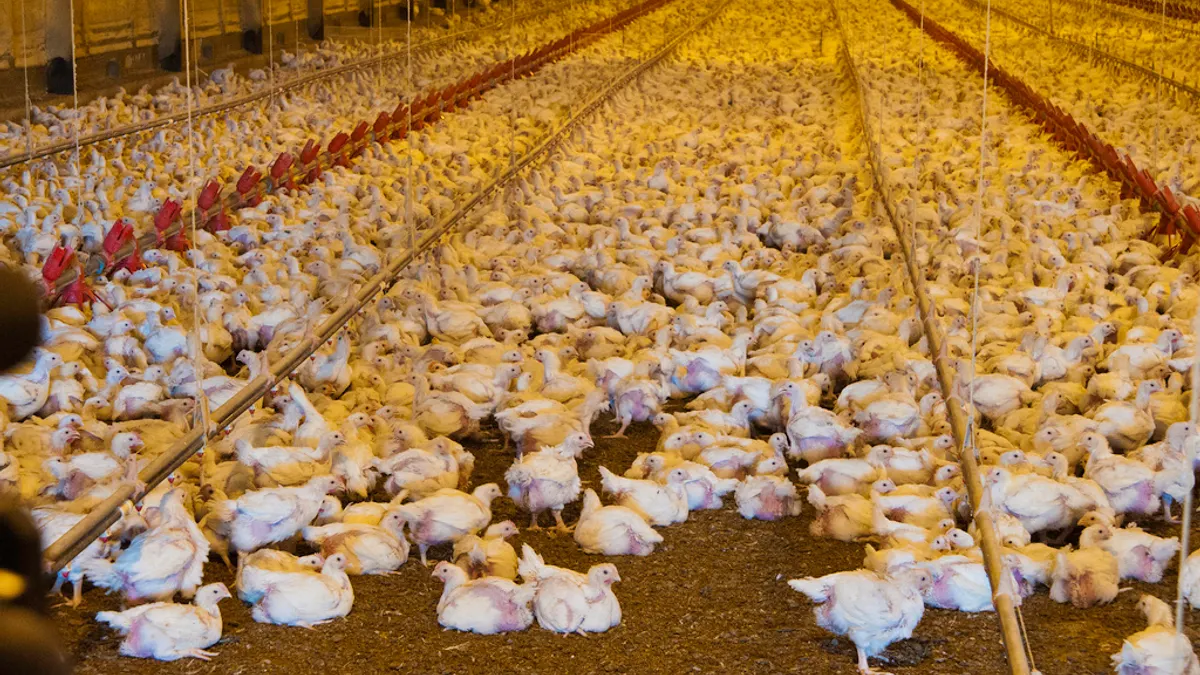
Poultry Farming Investment: Returns, Costs, and Opportunities in Modern Chicken Farming
Introduction to Poultry Farming Investments
Poultry farming has become one of the most attractive agricultural investment sectors worldwide. As global demand for poultry meat and eggs continues to grow, many investors are exploring poultry farming investment opportunities as a reliable and scalable way to generate returns.
Modern chicken farming offers strong profit potential due to its relatively short production cycles, high market demand, and scalable production models. In many regions, poultry farming can generate profit margins between 20% and 30%, depending on operational efficiency, feed costs, and market conditions.
One of the most appealing aspects of poultry farming is the rapid turnover of production. In broiler chicken farming, production cycles typically last five to six weeks, allowing multiple cycles per year. This makes poultry farming one of the fastest livestock production systems available today.
Because of these advantages, poultry farming investment opportunities now range from small-scale entry-level farms to large industrial poultry production platforms that attract institutional investors.
Why Poultry Farming Is a Strong Investment Opportunity
Poultry farming stands out among agricultural investments because of its efficiency and market stability. Unlike many other livestock sectors, poultry production benefits from short production cycles and relatively predictable demand.
Chicken is one of the most consumed proteins globally, making the poultry industry a critical part of the global food supply chain. This demand provides a strong foundation for long-term investment opportunities in poultry farming.
Investors interested in poultry farm investments are typically attracted by several key factors:
• Fast production cycles
• High consumer demand for poultry products
• Scalable farm infrastructure
• Relatively stable market prices
• Opportunities for vertical integration
Another reason poultry farming is attractive is that farms can be designed to scale gradually. Investors may begin with a smaller poultry farming project and expand operations as revenue increases.
This scalability allows poultry farming investments to accommodate a wide range of budgets and investment strategies.
Poultry Farm Investment Costs
One of the most common questions for new investors is the cost of starting a poultry farm. Poultry farming investments can vary significantly depending on scale, technology level, and location.
Entry-level poultry farms can begin with relatively modest capital. Small-scale chicken farming operations may require initial investments starting around £3,500 to £7,500. These farms typically involve smaller poultry houses, limited automation, and lower production capacity.
Mid-scale poultry farms require greater capital investment, particularly if automated feeding systems, climate control technologies, and modern poultry housing infrastructure are used.
Large-scale commercial poultry farms can require investments ranging from £1 million to £3 million or more, especially when building industrial poultry production facilities.
These large poultry projects often include multiple poultry houses, integrated feed storage systems, processing infrastructure, and advanced biosecurity measures.
Although the capital requirements may appear high, large poultry farms also benefit from economies of scale that significantly improve operational profitability.
Understanding Poultry Farming Profit Margins
Profitability in poultry farming depends on a variety of factors including feed costs, farm management, disease prevention, and market access.
In well-managed poultry operations, profit margins between 20% and 30% are considered achievable.
Several elements contribute to these returns:
Production Efficiency
Efficient poultry farm management ensures that birds reach optimal weight within the production cycle. Modern poultry houses use automated feeding and climate systems to maintain ideal conditions for growth.
Feed Cost Management
Feed represents the largest operational cost in poultry farming. Effective feed management and strategic supplier relationships are critical for maintaining profitability.
Biosecurity and Disease Prevention
Disease outbreaks can significantly impact poultry farming operations. Successful poultry farms implement strict biosecurity protocols to protect livestock health.
Market Demand
Demand for poultry meat continues to increase worldwide due to its affordability and versatility compared to other proteins.
When these factors are managed effectively, poultry farming can become a highly profitable agricultural investment.
Major Poultry Farming Investment Models
Investors can participate in poultry farming through several different business models. Each model offers varying levels of involvement, capital requirements, and potential returns.
Contract Poultry Farming
Contract poultry farming is one of the most common investment models in the poultry industry.
In this system, farmers partner with established poultry companies that provide chicks, feed, veterinary support, and technical management. The farmer provides the poultry housing and manages the daily operations.
At the end of the production cycle, the poultry company purchases the chickens at pre-agreed prices.
This model offers several advantages:
• Lower investment risk
• Stable income streams
• Technical support from experienced poultry companies
Contract poultry farming is particularly attractive for investors who want to enter the poultry industry with reduced operational complexity.
Commercial Poultry Projects
Commercial poultry projects represent the industrial scale of poultry production.
These large operations are typically designed to produce poultry meat or eggs at high volumes using advanced agricultural technologies.
Commercial poultry projects often include:
• Multiple poultry houses
• Automated feeding and watering systems
• Advanced ventilation systems
• Integrated logistics and distribution networks
Institutional investors and agricultural investment funds frequently participate in large-scale poultry projects because of their scalability and long-term revenue potential.
In recent years, international investment funds have invested millions of dollars into poultry production infrastructure, particularly in emerging markets where poultry consumption is growing rapidly.
Private Equity Poultry Investments
Another growing area within the poultry industry is private equity investment in poultry companies.
Private equity investors may acquire shares in poultry production companies, processing facilities, or vertically integrated poultry businesses.
This investment model allows investors to participate in the broader poultry value chain rather than focusing only on farm operations.
Private equity poultry investments may include:
• Poultry breeding companies
• Feed production businesses
• Poultry processing facilities
• Distribution networks
Because these investments operate at larger scales, they often provide long-term growth opportunities.
Small-Scale Poultry Farming for Beginners
Not all poultry farming investments require large capital.
Small-scale poultry farms remain a popular entry point for individuals interested in agricultural entrepreneurship.
These farms often start with smaller flocks and basic infrastructure. Although production capacity is limited compared to commercial poultry operations, small farms can still generate steady income.
Small-scale poultry farms can focus on:
• Local egg production
• Free-range chicken farming
• Specialty poultry products
• Organic poultry production
In some markets, specialty poultry products command premium prices, allowing small farms to compete effectively.
Partnership-Based Poultry Investment Platforms
A newer model emerging in the poultry industry involves partnership investment platforms.
These platforms allow investors to purchase participation packages in professionally managed poultry farming operations.
Under this model, the operational responsibilities are handled by experienced agricultural management teams while investors receive returns based on farm performance.
This model can offer several advantages:
• Professional farm management
• Reduced operational involvement for investors
• Scalable investment opportunities
• Diversified poultry production systems
Some agricultural investment platforms structure poultry farming projects similarly to real estate investments, where investors purchase units within a larger production platform.
This approach is becoming increasingly popular as agricultural investments gain attention from global investors seeking alternative asset classes.
Technology and Innovation in Poultry Farming
Modern poultry farms rely heavily on technological innovation to improve efficiency and reduce operational risks.
Technological advancements in poultry farming include:
• Automated feeding systems
• Smart ventilation systems
• Environmental monitoring sensors
• AI-driven flock management systems
• Data analytics for feed optimization
These technologies allow poultry farmers to monitor flock health, environmental conditions, and production performance in real time.
As agricultural technology continues to evolve, poultry farming is becoming increasingly data-driven and efficient.
Renewable Energy Integration in Poultry Farms
Energy consumption is a major cost in poultry farming operations due to the need for ventilation, lighting, and temperature control.
To address this challenge, many modern poultry farms are integrating renewable energy solutions such as solar power systems.
Solar-powered poultry farms can significantly reduce electricity costs and improve long-term profitability.
Benefits of renewable energy integration include:
• Reduced operational costs
• Energy independence
• Environmental sustainability
• Lower carbon emissions
As sustainability becomes increasingly important in agriculture, renewable energy-powered poultry farms are expected to become more common.
Risk Factors in Poultry Farming Investments
While poultry farming offers strong potential returns, investors must also consider several risk factors.
Key risks include:
Feed Price Volatility
Feed costs represent the largest expense in poultry farming. Fluctuations in global grain prices can impact profitability.
Disease Outbreaks
Avian diseases can affect poultry production if strict biosecurity measures are not maintained.
Market Price Fluctuations
Changes in poultry market prices can impact revenue, particularly for smaller producers.
Operational Management
Poor farm management can reduce productivity and increase operational costs.
Despite these risks, well-managed poultry farms with strong operational controls can mitigate many of these challenges.
Global Demand for Poultry Products
Global demand for poultry meat continues to rise due to several factors:
• Population growth
• Increasing protein consumption
• Urbanization
• Affordability of poultry compared to other meats
Poultry meat is widely consumed across cultures and cuisines, making it one of the most universal protein sources.
Because poultry production cycles are short and scalable, the industry is well-positioned to meet rising global demand.
This demand creates strong long-term growth opportunities for poultry farming investors.
The Future of Poultry Farming Investments
The poultry industry is expected to continue expanding as global food demand increases.
Future poultry farming investments will likely focus on:
• sustainable farming infrastructure
• automated poultry production systems
• renewable energy integration
• data-driven farm management
• vertically integrated poultry supply chains
Investors who enter the poultry industry early and build efficient production platforms may benefit from the sector's long-term growth.
Conclusion
Poultry farming represents one of the most dynamic and scalable sectors within agriculture.
With production cycles as short as six weeks, strong consumer demand, and profit margins that can reach 20–30%, poultry farming offers compelling opportunities for investors seeking exposure to the agricultural sector.
Investment opportunities range from small-scale farms to large industrial poultry production platforms and private equity investments in poultry companies.
As technology and sustainability continue to reshape modern agriculture, poultry farming is expected to remain a cornerstone of global food production.
For investors seeking a combination of stable demand, scalable infrastructure, and strong growth potential, poultry farming may represent one of the most promising agricultural investment opportunities available today.