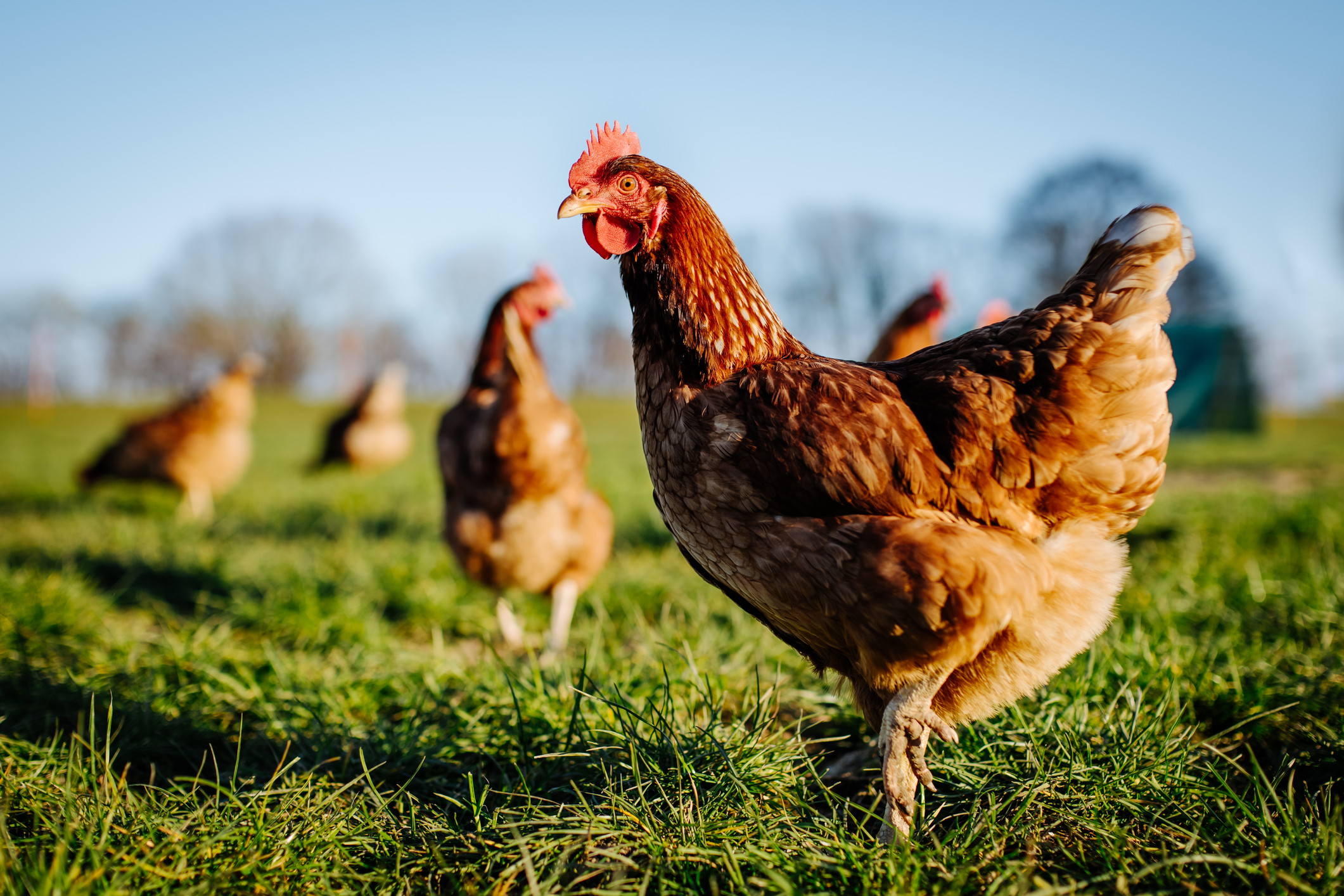
Broiler Chicken Farming UK: Investment Opportunities, Costs, and How to Start a Poultry Farm
Introduction to Broiler Chicken Farming in the UK
Broiler chicken farming has become one of the fastest-growing agricultural sectors in the United Kingdom. With increasing demand for poultry meat across supermarkets, restaurants, and food processing companies, broiler chicken farming UK is attracting both farmers and investors looking for profitable agricultural ventures.
Unlike traditional livestock farming, broiler chicken farming offers a rapid production cycle and scalable infrastructure. A broiler chicken typically reaches market weight within 5 to 6 weeks, allowing farmers to run multiple production cycles throughout the year.
This efficiency makes broiler chicken farming one of the most attractive opportunities for individuals searching online for how to start a chicken farm UK or exploring poultry farm investment opportunities in the UK.
As the UK poultry market continues to grow, many entrepreneurs are evaluating whether to purchase existing farms, rent facilities, or build new poultry farming infrastructure.
Understanding Broiler Chicken Farming
Broiler chickens are specifically bred for meat production. These chickens grow significantly faster than traditional or backyard chicken breeds.
When comparing broiler chicken vs normal chicken, the difference primarily lies in growth rate, feed efficiency, and production purpose.
Broiler chickens are genetically optimised for meat production and can reach market weight in a matter of weeks. In contrast, normal chickens—often referred to as layer or backyard chickens—are typically raised for egg production or small-scale farming.
Because of their rapid growth and high feed efficiency, broiler chickens are the backbone of modern poultry meat production.
In the UK, broiler chicken farming is an essential part of the agricultural economy and plays a critical role in ensuring food security.
Broiler Chicken Farming UK Market Overview
The UK poultry industry produces millions of chickens annually to meet domestic demand. Poultry meat is one of the most widely consumed proteins in the country due to its affordability and versatility.
Consumers in the UK increasingly prefer poultry products because they are:
• Affordable compared to other meats
• Widely available
• Versatile in cooking
• Lower in fat compared to red meat
As a result, broiler chicken farming has expanded significantly across England, Scotland, Wales, and Northern Ireland.
Large poultry companies often contract farmers to raise broiler chickens under structured production agreements. This contract farming model provides stability for farmers while ensuring consistent supply for retailers.
Because of this growing demand, searches such as broiler chicken UK for sale and broiler chicken farming UK opportunities have increased in recent years.
How to Start a Chicken Farm in the UK
One of the most common questions asked by new investors is how to start a chicken farm UK.
Starting a poultry farm involves several important steps, including site selection, infrastructure development, regulatory compliance, and production planning.
Selecting the Right Location
Location is one of the most critical factors when establishing a poultry farm. Farms should ideally be located in rural areas with sufficient distance from residential zones.
This helps reduce potential environmental and regulatory issues while ensuring biosecurity standards are maintained.
Access to transportation routes is also important because poultry farms require reliable supply chains for feed delivery and product distribution.
Choosing Poultry Housing Infrastructure
Modern broiler chicken farms rely on specialised poultry housing designed to maintain optimal environmental conditions.
These poultry houses include:
• ventilation systems
• automated feeding systems
• climate control technology
• water supply systems
• waste management infrastructure
Proper poultry housing design is essential for maintaining flock health and maximising productivity.
Investors researching how to start a chicken farm UK should consider working with agricultural engineers and poultry consultants to design efficient farm infrastructure.
Poultry Farm for Rent in UK
Not every investor wants to build a poultry farm from scratch. For this reason, many entrepreneurs search online for poultry farm for rent in UK.
Renting an existing poultry farm offers several advantages:
• lower upfront investment
• faster operational start
• existing infrastructure
• established production capacity
A rented poultry farm may already include poultry houses, feed storage facilities, and waste management systems.
However, investors should carefully evaluate lease agreements, facility conditions, and regulatory compliance before entering into rental agreements.
Poultry Farm for Sale in UK
Another option for investors is purchasing an existing farm.
Searching for poultry farm for sale in UK can reveal opportunities to acquire fully operational poultry businesses.
Buying an existing poultry farm often includes:
• poultry houses
• agricultural land
• production equipment
• feed storage infrastructure
• operational permits
Although purchasing a poultry farm typically requires higher capital compared to renting, it provides full ownership of the asset and long-term investment stability.
Many agricultural investors prefer this model because farmland and farm infrastructure often appreciate in value over time.
Broiler Chicken UK for Sale Market
In addition to farming infrastructure, investors also explore the market for broiler chicken UK for sale.
This phrase often refers to either:
• live broiler chicks for farming
• processed broiler chickens for food distribution
• breeding stock for poultry farms
The UK poultry supply chain includes hatcheries, farms, processors, and distributors.
Hatcheries produce day-old broiler chicks which are then delivered to farms where they are raised to market weight.
Understanding the broiler chicken supply chain is essential for anyone entering the poultry farming industry.
How Much Does It Cost to Start a Poultry Farm UK?
One of the most important questions for investors is how much does it cost to start a poultry farm UK.
The cost varies depending on several factors:
• farm size
• level of automation
• land cost
• construction expenses
• equipment requirements
Small Poultry Farms
A small poultry farm in the UK may require initial investment between £5,000 and £20,000, depending on scale and infrastructure.
These farms typically operate with smaller flocks and basic housing systems.
Medium Poultry Farms
Medium-scale poultry farms require larger poultry houses and more advanced systems.
Investment costs may range from £100,000 to £500,000 depending on capacity and technology level.
Large Commercial Poultry Farms
Large broiler chicken farming operations can require investments between £1 million and £3 million or more.
These farms often include multiple poultry houses capable of raising tens of thousands of chickens per production cycle.
Although the initial investment is significant, large-scale farms benefit from economies of scale that improve profitability.
Broiler Chicken vs Normal Chicken
Understanding the difference between broiler chicken vs normal chicken is essential for anyone entering the poultry farming industry.
Broiler Chickens
Broiler chickens are raised specifically for meat production.
Key characteristics include:
• rapid growth rate
• high feed efficiency
• market weight reached within 6 weeks
Broiler chickens dominate commercial poultry meat production globally.
Normal Chickens
Normal chickens, often referred to as layer chickens or backyard breeds, are typically raised for egg production or small-scale farming.
They grow more slowly and have longer lifespans compared to broilers.
Because of their slower growth rates, they are not commonly used in large-scale commercial poultry meat production.
Profit Potential in Broiler Chicken Farming
Broiler chicken farming can generate strong financial returns when managed effectively.
Profitability depends on several factors including:
• feed costs
• flock health
• farm management
• market demand
Many poultry farms achieve profit margins between 15% and 30% depending on operational efficiency.
Because broiler production cycles are short, farms can produce multiple batches per year, increasing revenue potential.
Risk Factors in Poultry Farming
Like any agricultural investment, poultry farming carries certain risks.
Feed Cost Volatility
Feed represents the largest operational cost in broiler chicken farming.
Changes in grain prices can impact profitability.
Disease Management
Disease outbreaks can significantly affect poultry production if biosecurity measures are not properly maintained.
Market Price Changes
Fluctuations in poultry meat prices can influence farm revenue.
However, many contract poultry farming models help stabilize income for farmers.
Future of Broiler Chicken Farming UK
The future of broiler chicken farming UK is closely linked to technological innovation and sustainable agriculture.
Emerging trends include:
• automated poultry farm management
• renewable energy integration
• precision livestock farming
• improved feed efficiency
These innovations will help poultry farms become more efficient while reducing environmental impact.
Conclusion
Broiler chicken farming remains one of the most promising agricultural sectors in the United Kingdom.
With strong consumer demand, rapid production cycles, and scalable infrastructure, poultry farming offers attractive opportunities for both farmers and investors.
Whether someone is researching how to start a chicken farm UK, looking for a poultry farm for rent in UK, or exploring poultry farm for sale in UK, the poultry industry provides multiple entry points for investment.
Understanding the costs, risks, and operational requirements of broiler chicken farming is essential for long-term success.
As technology continues to improve poultry production systems, the UK poultry industry is expected to remain a key contributor to the national food supply and agricultural economy.